Understanding Top Pressure and Half Guard Dynamics
Mastering how to pass half guard in bjj requires controlling your opponent’s hips and upper torso while neutralizing their inside frames. Without solid top pressure, aggressive bottom players can easily sweep or take your back.
Here in Dana Point, California, practitioners learn to dismantle tricky bottom positions using methodical shoulder pressure. Training at our premier martial arts training center helps grapplers build tight passing fundamentals against resisting training partners.
DISCOVER Peaceful Warrior JiuJitsu and Fitness
CLICK HEREBiomechanical Fundamentals of How to Pass Half Guard in BJJ
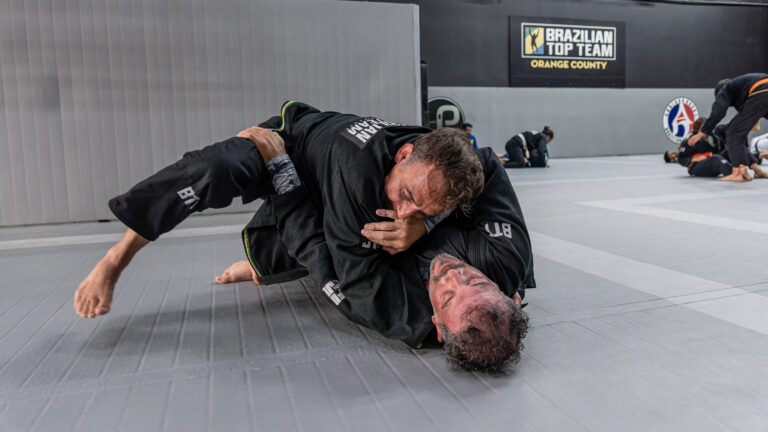
Establishing dominant upper-body wedges eliminates the bottom player’s ability to create defensive space or initiate counter-attacks. Winning the crossface and underhook battle flattens their spine before you attempt to free your trapped leg.
Securing the Deep Crossface to Flatten the Spine
Driving your shoulder firmly underneath the opponent’s jawline forces their face away from your body. This cervical rotation neutralizes their spinal alignment, making it nearly impossible for them to generate explosive hip movement.
Clamping their opposite shoulder with your gripping fingers prevents them from turning inward to recover full guard. Maintaining this unyielding crossface pressure drains their defensive stamina while locking their shoulders flat against the canvas.
Winning the Far-Side Underhook Battle
Digging your far-side underhook deep into their armpit pulls their upper torso flush against yours. This critical connection stops the bottom player from building height or fishing for their own dangerous offensive underhook.
Flare your underhook elbow outward to establish a wide framing base that absorbs sudden bridge attempts. Keeping your chest heavy against their sternum guarantees that their upper body remains immobilized throughout the exchange.
Neutralizing the Inside Knee Shield Frame
Bottom players frequently insert a sharp knee shield across your chest to prevent heavy chest-to-chest contact. Pushing directly forward into this diagonal bone frame only wastes energy and exposes you to elevation sweeps.
Instead, weave your lead forearm underneath their shin or apply heavy hip pressure to fold their knee inward. Collapsing this structural shield flattens their hips, allowing you to re-establish devastating upper torso dominance.
Positioning the Head for Triangulated Base Stability
Plant your forehead directly on the mat on the far side of your opponent’s head like a tripod leg. This third point of contact provides exceptional rotational balance whenever they attempt dynamic bridge escapes.
Understanding how to pass half guard in bjj requires this stable three-point base before shifting lower-body weight. Grounding your forehead absorbs erratic bucking movements while keeping both of your hands free to manipulate grips.
Technical Leg Extraction and Freeing the Trapped Knee
Once upper torso immobilization is established, freeing your trapped limb becomes a matter of angles and leverage. Systematic leg extraction protects your base while ensuring you advance directly into dominant side control or mount.
Walking the Free Foot to Free the Trapped Knee
Walk your outside foot outward along the mat to generate lateral hip torque against their clamping thighs. Extending your base outward opens a small mechanical pocket between their legs, loosening their tight ankle grip.
Keep driving forward with your chest as you slide your trapped knee past their hip line. Once your knee clears their thigh, you effectively neutralize their ability to re-lock the half guard.
Executing the Tripod and Hip Switch Technique
Elevate both knees off the mat while keeping your head grounded to form a high tripod posture. Elevating your hips concentrates all of your bodyweight straight into their diaphragm, making breathing exceptionally difficult.
Pivot your hips slightly toward their legs to slide your trapped shin across their thigh line. This subtle rotational shift exploits anatomical gaps, effortlessly popping your leg free from their weakening scissor lock.
Utilizing the Backstep Passing Sequence
When the bottom player clamps down tightly on your trapped ankle, initiating a crisp backstep breaks the deadlock. Release your far underhook to post wide, then backstep your outside leg cleanly over their body.
Swiveling your hips into reverse scarf hold exposes their torso while instantly freeing your trapped foot. From this dynamic position, you can easily settle into reverse side control or attack straight into North-South.
Common Mistakes and Defensive Traps to Avoid
Passing half guard requires constant awareness because a careless transition can instantly reverse the entire rolling exchange. Recognizing common biomechanical errors ensures you stay in command while protecting yourself from opportunistic leg locks and reversals.
Preventing the Bottom Player from Securing the Underhook
Conceding the underhook allows the bottom grappler to get onto their side and initiate powerful single-leg sweeps. Without upper control, you lose your forward driving angle and become vulnerable to aggressive back-takes.
Practicing how to pass half guard in bjj means immediately hunting for a whizzer if you lose the underhook. Driving your whizzer down shuts off their rising momentum and forces their upper back flat again.
Avoiding Head Isolation Inside the Guillotine Grip
Dropping your head carelessly across their centerline invites tight front headlocks and dangerous arm-in guillotines. Never lead with your neck without securing chest contact or keeping your chin tucked safely against their shoulder.
If they wrap your neck, immediately bring your hips forward and secure their choking wrist with both hands. Establishing this hand-fight frame relieves trachea pressure, allowing you to continue your passing sequence safely.
Defending Against Deep Half Guard Transitions
Inattentive top players often allow active opponents to dive underneath their center of gravity into deep half guard. Once underneath your hips, the bottom player can manipulate your balance and initiate unpredictable sweeps.
Keep your hips low and immediately hook their far arm or trap their head if they dive underneath. Heavy downward hip pressure prevents them from establishing proper spinal leverage under your base of support.
Developing Composure and Top Pressure Discipline
Maintaining crushing top pressure is more about continuous micro-adjustments than tensing every muscle in your upper body. Relaxing your shoulders while letting gravity transfer your weight into the opponent prevents premature physical exhaustion.
Coaches at Peaceful Warrior JiuJitsu and Fitness emphasize calculated patience and balance over hurried passing attempts. Cultivating this measured mindset ensures that your energy remains steady across multiple challenging grappling rounds on the mats.
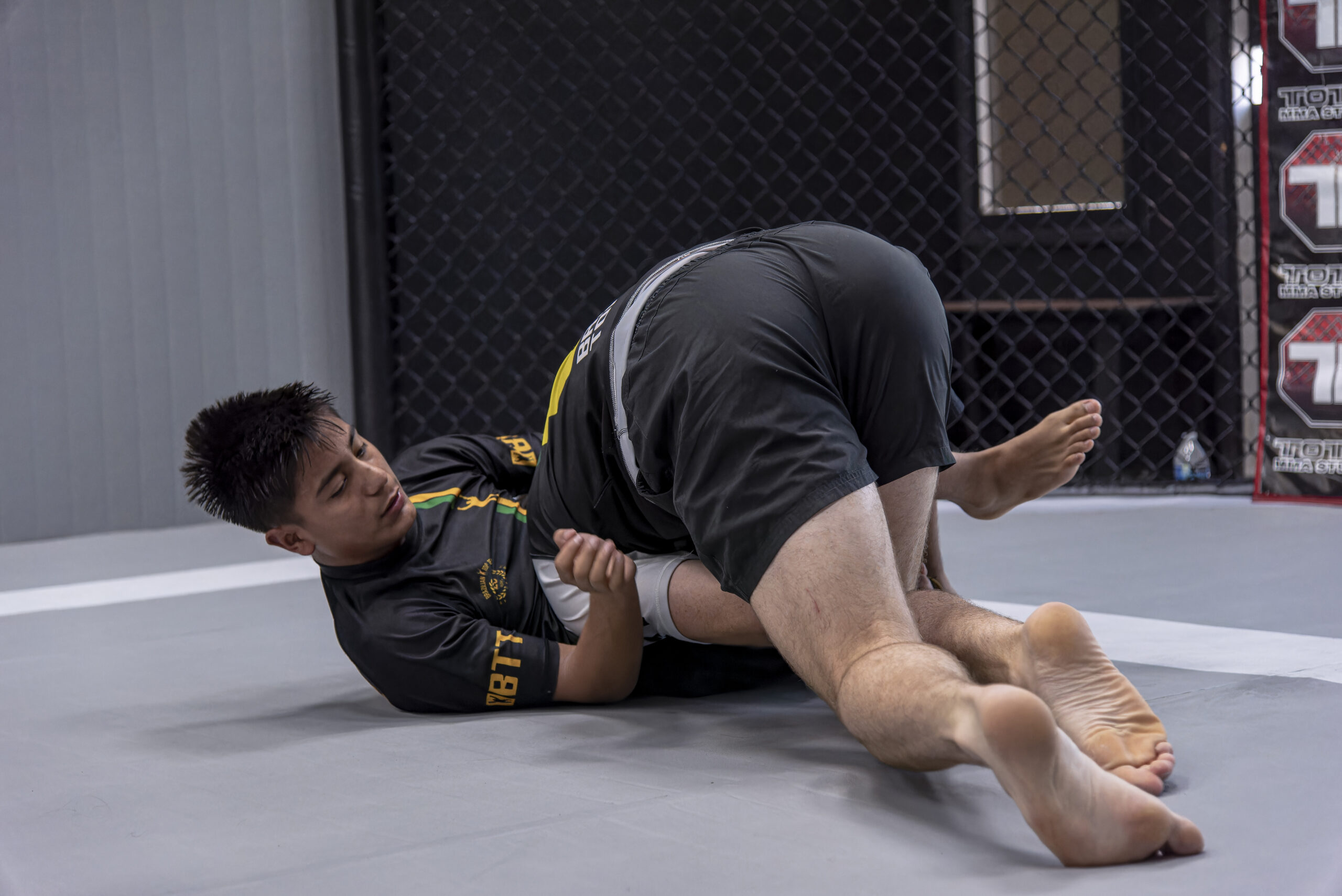
Integrating Half Guard Passing into Sparring Rounds
Consistent positional sparring is essential for mastering the timing required to extract your leg against full resistance. Starting directly from half guard forces both practitioners to sharpen their structural frames and pressure transitions.
Reading comprehensive technical breakdowns in our martial arts training articles archive strengthens your conceptual foundation. Combining regular study with focused drilling builds an instinctual passing game that functions reliably under real pressure.
DISCOVER Peaceful Warrior JiuJitsu and Fitness
CLICK HEREBuilding Technical Passing Dominance on the Mats
Knowing how to pass half guard in bjj transforms a grueling battle of attrition into a controlled demonstration of technique. Prioritize upper torso control, isolate frames methodically, and free your legs with patient precision.
Grapplers from Dana Point, San Juan Capistrano, and San Clemente discover supportive, high-level instruction at Peaceful Warrior JiuJitsu and Fitness. Step onto our mats to refine your ground passing skills in an empowering environment.