Developing Foundational Power: How Strength Complements Grappling
Practicing martial arts demands tremendous kinetic control, dynamic flexibility, and physical endurance across every sparring round. Integrating targeted strength training for jiu-jitsu builds the physical foundation necessary to fortify stabilizing connective tissues throughout Dana Point, California.
While technical proficiency remains paramount on the mats, targeted resistance work ensures your joints withstand unexpected torque and intense pressure. Reinforcing foundational movement patterns establishes a durable physical framework that directly amplifies defensive frames and sweeping mechanics.
DISCOVER PEACEFUL WARRIOR JIUJITSU AND FITNESS
CLICK HERELower Body Foundations: Enhancing Leg Power and Knee Health
A resilient lower body provides the base for explosive takedown defense, passing pressure, and secure guard positioning. Cultivating robust quadriceps, hamstrings, and ankles protects vulnerable ligaments from awkward torsional stress during competitive rolls.
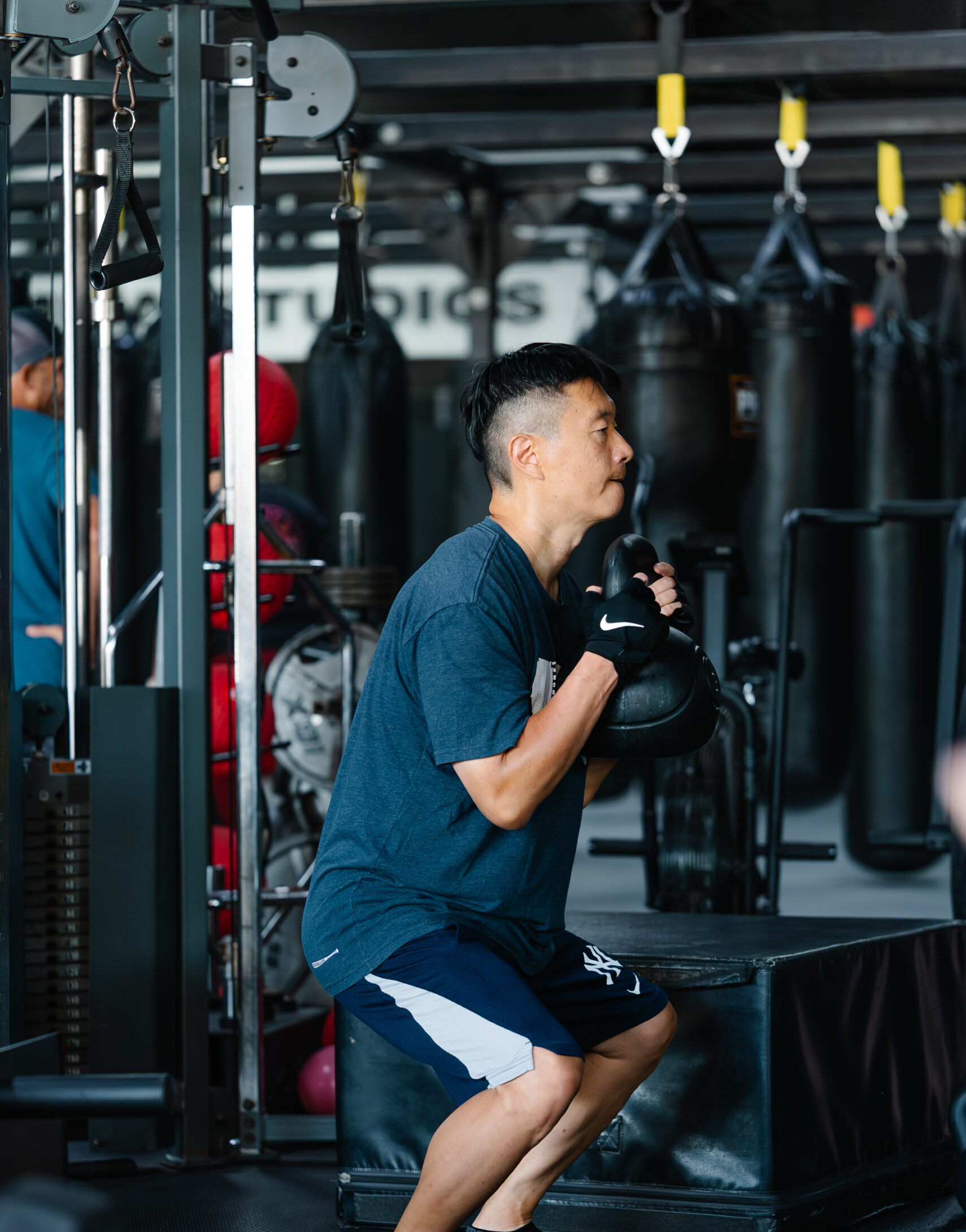
1. Goblet Squats for Pelvic Alignment and Posture
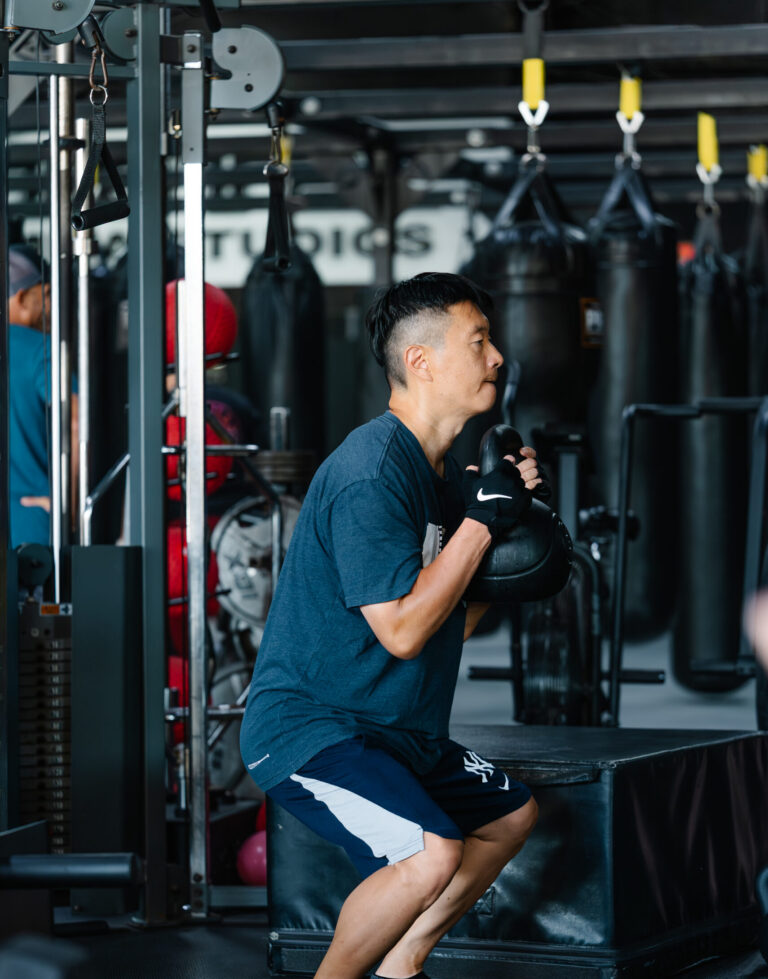
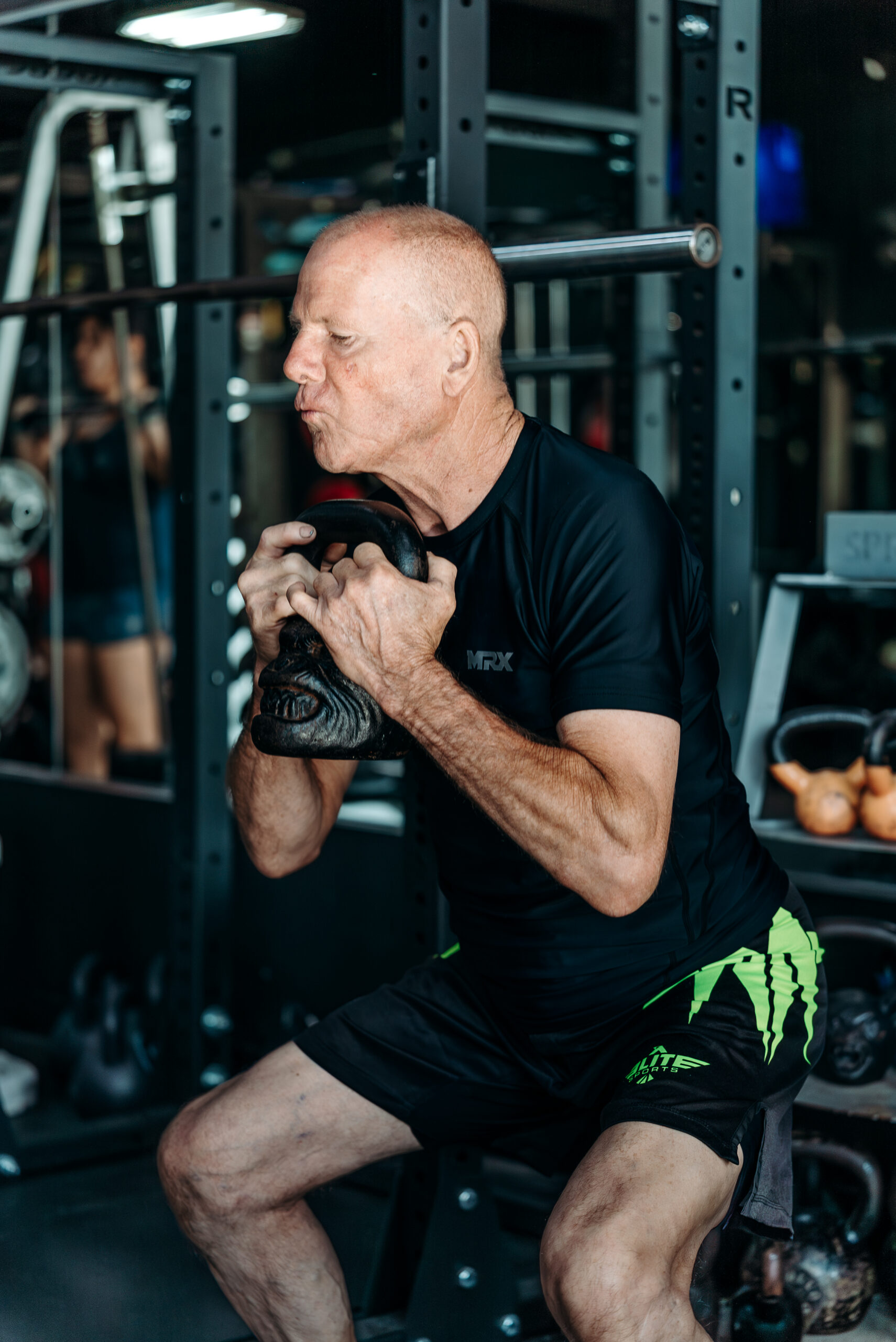
Front-loading resistance forces the torso to remain upright while recruiting the anterior core and deep hip stabilizers. This movement pattern reinforces proper spinal neutrality, allowing grapplers to maintain an unyielding posture against heavy collar ties.
Holding a kettlebell against the chest teaches athletes to sink deeply between the hips without collapsing through the lower back. Performing controlled tempos develops the eccentric quad strength needed to stand up securely while trapped inside closed guard.
2. Bulgarian Split Squats for Unilateral Balance
Grappling exchanges rarely occur with both feet planted symmetrically, making unilateral leg development critical for dynamic performance. Elevating the rear foot places direct demand on the lead leg, actively eliminating bilateral strength discrepancies between sides.
This exercise challenges ankle stability and activates the vastus medialis, providing protective structural support for the knee joint. Strengthening each leg independently provides decisive drive when driving forward through single-leg takedown finishes.
3. Romanian Deadlifts for Posterior Chain Resilience
The posterior chain acts as the primary mechanical engine for lifting, bridging, and hip engagement across all grappling scenarios. Romanian deadlifts emphasize hip flexion while keeping the knees slightly bent, deeply loading the hamstrings and gluteal complex.
Developing eccentric hamstring strength serves as crucial armor against hyperextension injuries during scrambling transitions. Maintaining a rigid spine under load reinforces the muscular endurance required to resist sudden breaking forces applied to your guard.
4. Isometric Wall Sits for Tendon Conditioning
Isometric contractions generate high levels of muscular tension without placing repetitive friction or wear on sensitive joint capsules. Sustaining a static right-angle position against a wall builds significant patellar tendon tolerance and quad endurance.
Grapplers frequently spend prolonged minutes absorbing pressure or maintaining heavy knee shields against aggressive guard passers. Adding regular isometric holds trains connective tissue to tolerate crushing sustained isometric compression without premature fatigue.
Hip Hinge and Unilateral Mechanics in Strength Training for Jiu-Jitsu
Hip dexterity and explosive extension govern nearly every pivotal turning point, escape, and turnover executed on the mats. Targeting the glutes, adductors, and external rotators ensures seamless kinetic transfer from your lower extremities directly into defensive frames.
5. Barbell and Kettlebell Hip Thrusts for Bridging Power
The fundamental bridge escape relies entirely on rapid, maximal extension of the hips against an opponent’s pinning weight. Hip thrusts place direct horizontal resistance over the pelvis, maximizing glute recruitment without overloading the lumbar spine.
Consistently loading this movement pattern builds the raw hip drive necessary to create immediate space beneath heavy side control. Greater bridging velocity allows athletes to disrupt an opponent’s balance and reinsert knee shields under intense pressure.
6. Lateral Lunges for Multi-Planar Hip Mobility
Traditional lifting routines frequently neglect lateral movement, yet grappling demands continuous lateral adjustments and wide stance stabilization. Stepping out into deep side lunges opens tight adductor tissues while strengthening the abductors through deep ranges of motion.
This functional mobility expands hip freedom, enabling smooth transitions when recovering open guard positions from compromised angles. Incorporating multi-planar strength training for jiu-jitsu keeps pelvic joints supple and resistant to groin strains during intense scrambling.
7. Single-Leg Romanian Deadlifts for Pelvic Control
Balancing on a single leg while hinging at the waist demands coordination between the foot arch, hamstrings, and gluteus medius. This drill trains the pelvic girdle to remain level and steady despite uneven gravitational forces acting upon the torso.
On the mats, dynamic defense often requires standing firm on one foot while stripping grips or sprawling against offensive shots. Enhancing single-leg proprioception prevents unexpected ankle rolls and keeps you balanced during standing wrestling exchanges.
Core Rigidity and Joint Stability Under Resistance
A fortified midsection functions as a bridge that transfers force between the lower body and upper extremities. True grappling stability requires resisting rotational forces, preventing excessive extension, and guarding the spine against sudden compressive loads.
8. Suitcase Carries for Anti-Lateral Flexion
Carrying a heavy load in only one hand creates an intense rotational and lateral pulling force on your midsection. The deep obliques and quadratus lumborum must fire continuously to keep the shoulders square and prevent sideways spinal bending.
This anti-lateral stabilization mimics the strain experienced when an opponent attempts to fold your posture inside half guard. Walking under asymmetrical tension builds unshakeable trunk stiffness, allowing you to maintain structural integrity under pressure.
9. Pallof Presses for Rotational Trunk Resistance
Rather than generating twisting motions, the primary athletic role of the core during grappling is often resisting unwanted rotation. Using a resistance band or cable anchored at chest height forces the abdominal wall to brace against continuous rotational pull.
Extending the arms forward multiplies the lever arm, demanding disciplined engagement from the transverse abdominis and serratus anterior. Practicing deliberate anti-rotation drills enables practitioners to maintain solid defensive frames against heavy crossface attempts.
10. Deadbugs and Bird-Dogs for Lumbar Stability
Dynamic limb movements while preserving a neutral, glued lumbar posture represent the core mechanics of effective ground defense. Deadbugs train the anterior chain to brace firmly as alternate limbs extend, teaching motor control under low joint stress.
Complementing these with bird-dogs activates the posterior sling, firing the opposite glute and latissimus dorsi simultaneously across the back. This dual neuromuscular conditioning shields the delicate lower back from injuries when inverting or playing deep open guard.
Technical Guidance: Periodization and Recovery Balance
Pairing resistance training with grappling requires meticulous management of weekly volume to prevent overtraining and systemic central nervous system fatigue. Performing two to three full-body sessions weekly using submaximal loads preserves physical freshness for demanding sparring rounds.
At Peaceful Warrior JiuJitsu and Fitness, balancing smart physical conditioning with technical skill acquisition forms the cornerstone of sustainable martial arts progression. Prioritizing purposeful strength training for jiu-jitsu alongside regular mat time preserves joint wellness and builds durable athleticism.
Practical Consolidation: Structuring Your Weekly Training Split
Structuring a balanced weekly schedule involves spacing heavy lifting days away from your most intense sparring sessions on the mats. A well-organized split emphasizes compound movements first, followed by unilateral stability drills and functional core carries to minimize joint fatigue.
Focusing on movement quality rather than sheer poundage allows practitioners to build functional resilience without accumulating debilitating muscle soreness. When strength work complements rather than competes with mat time, your technical sharpness and physical endurance climb together.
DISCOVER PEACEFUL WARRIOR JIUJITSU AND FITNESS
CLICK HEREBuilding Durability for the Gentle Art
Committing to consistent strength training for jiu-jitsu builds the structural armor and hip mobility necessary for long-term health and athletic performance. Strengthening your legs, hips, and core ensures every round rolled on the mats is supported by dependable physical resilience.
Whether you are stepping onto the mats for the first time or looking to refine your physical base in Dana Point, California, purposeful conditioning enhances every stage of your martial arts journey. Dedicated training cultivates confidence, preserves joint wellness, and empowers practitioners across Orange County.